Missed the April 1 Deadline for 2026 & 2027?
E-mail Us at info@arquetopia.org
for Program Info, Application Materials, and an Extension
including Day of the Dead, and Short-Term Programs
Arquetopia’s residency programs offer competitive professional and academic opportunities for emerging, mid-career, and established artists, designers, curators, art historians, educators, writers, journalists, researchers, and graduate students from around the world.
Recognized internationally as a reference for socially engaged artistic practice, critical research, and sustainability in the arts, Arquetopia has, through its longevity, become a model for residency programs worldwide. Our approach fosters an inclusive environment where research and critical thinking create a generous space to rethink studio practices, while actively challenging ideological constructs related to gender, race, class, and age.
Arquetopia is distinguished by its autonomous, non-exploitative, and evolving residency model. Our programs are rooted in local knowledge, artistic research, and critical academic perspectives, offering individualized structures with mentoring and project support from our curatorial and directorial staff. Rather than functioning as retreat spaces, our residencies are designed for committed practitioners seeking rigorous engagement and meaningful exchange.
At the core of our methodology is a commitment to reciprocity. Over the past 17 years, Arquetopia has contributed to redefining the residency field by prioritizing ethical relationships between residents, staff, local communities, and the environment. Our programs draw from local epistemologies in Mexico and Peru, histories of resistance, and ongoing questions of ethics, creating a framework where artistic practice becomes a site for experimentation, learning, and transformation.
All residencies operate within a process-oriented structure that integrates studio practice with critical inquiry. Participants are encouraged to question dominant forms of knowledge, including tourism, art history, and visual culture, while expanding their methodologies through dialogue, critique, and research. This extends to critically examining anti-colonial frameworks themselves—how they are constructed, mobilized, and at times reproduced within contemporary artistic and academic practices.
Our staff and international board have developed a dynamic pedagogical framework that facilitates a sustained dialogue between each participant’s work and the context in which it is situated. Residents receive personalized readings and critical materials, along with essays by invited scholars that introduce the cultural and historical complexities of Mexico, Peru, or Italy. Through this process, participants are encouraged to develop new methodologies by rethinking notions of history, place, and artistic production.
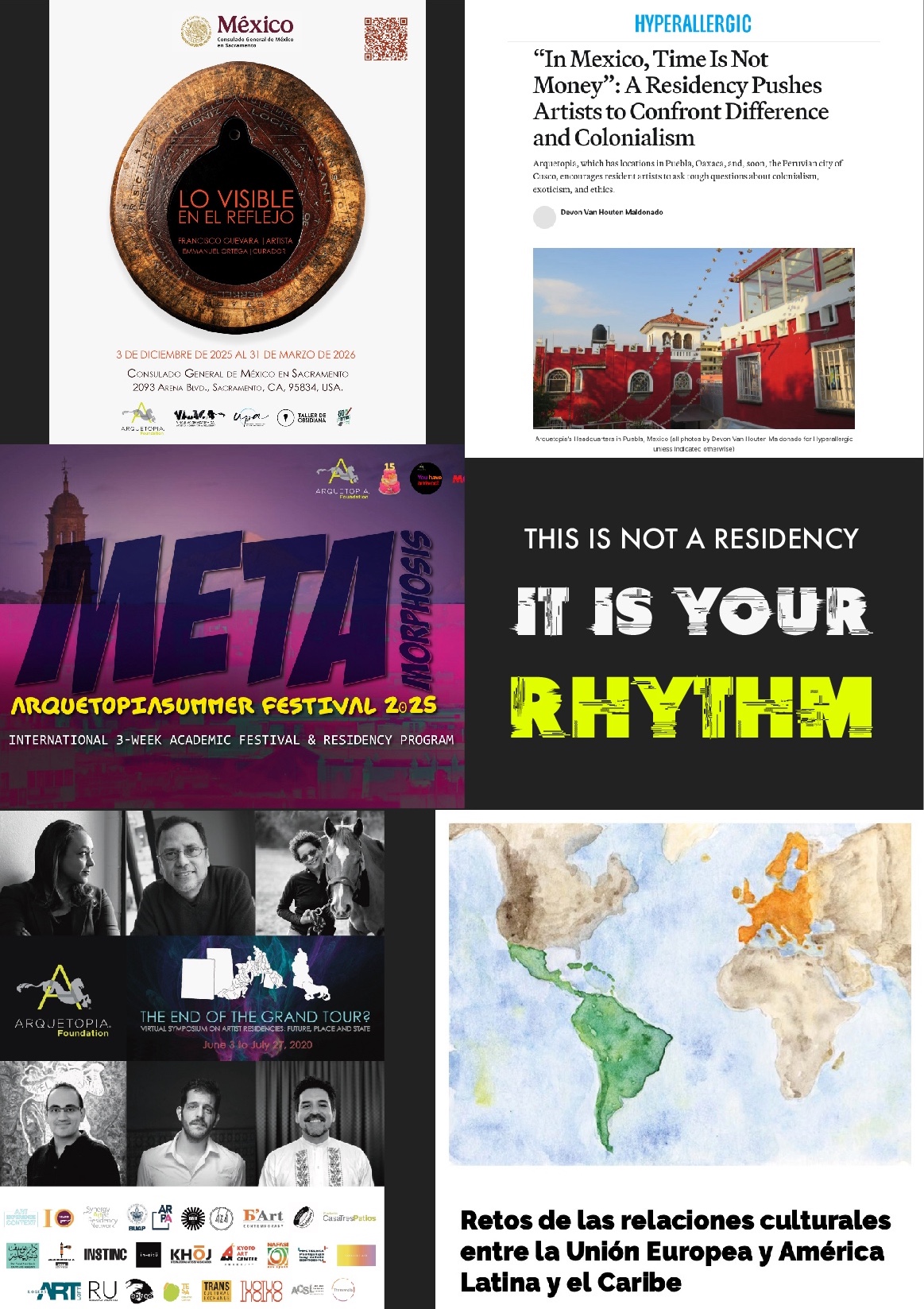
With more than 17 years of experience, Arquetopia continues to evolve as an open and adaptive model, responding to shifting global conditions. Our programs in Puebla and Oaxaca, Mexico, and Cusco, Peru, engage specific themes and techniques through artistic research, fostering connections across diverse practices and disciplines.
Each year, Arquetopia hosts approximately 100 to 150 participants from over 110 countries, creating a transnational platform for exchange, dialogue, and collaboration. This diversity of perspectives strengthens our commitment to social creativity, expanding critical conversations while maintaining the depth and rigor of each residency experience.
All programs explore the intersections of art, visual culture, and social justice by addressing systems of ideology, including race, class, gender, and nationality. Grounded in alternative epistemologies and non-exploitative practices, Arquetopia’s residencies challenge dominant narratives and engage with the historical legacies of colonialism and imperialism across Mexico, Peru, and Italy. Through this lens, each program offers a space to question, learn, and expand artistic practice within a critical and ethical framework.
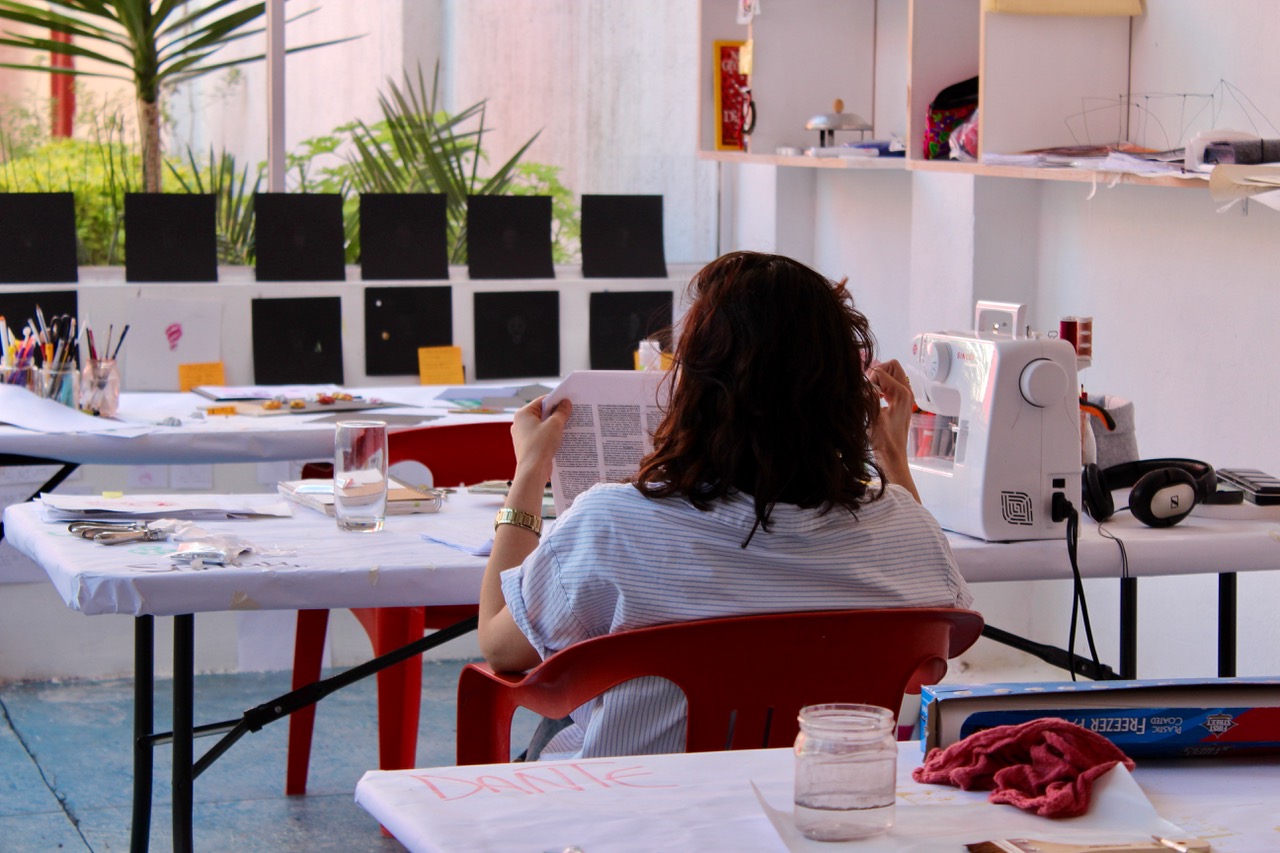
What to Expect During a Residency at Arquetopia
Arquetopia’s residency programs offer a rigorous and often life-changing experience. Participants are invited to rethink not only their artistic practice, but the ways in which they see, engage with, and position themselves within the world.
All programs are process-based rather than product-driven. They are structured as a dedicated space and time for artists, writers, designers, architects, scholars, and students to examine their work through the lenses of ethics, reciprocity, and sustainability—opening the possibility for new ways of thinking, making, and understanding practice.
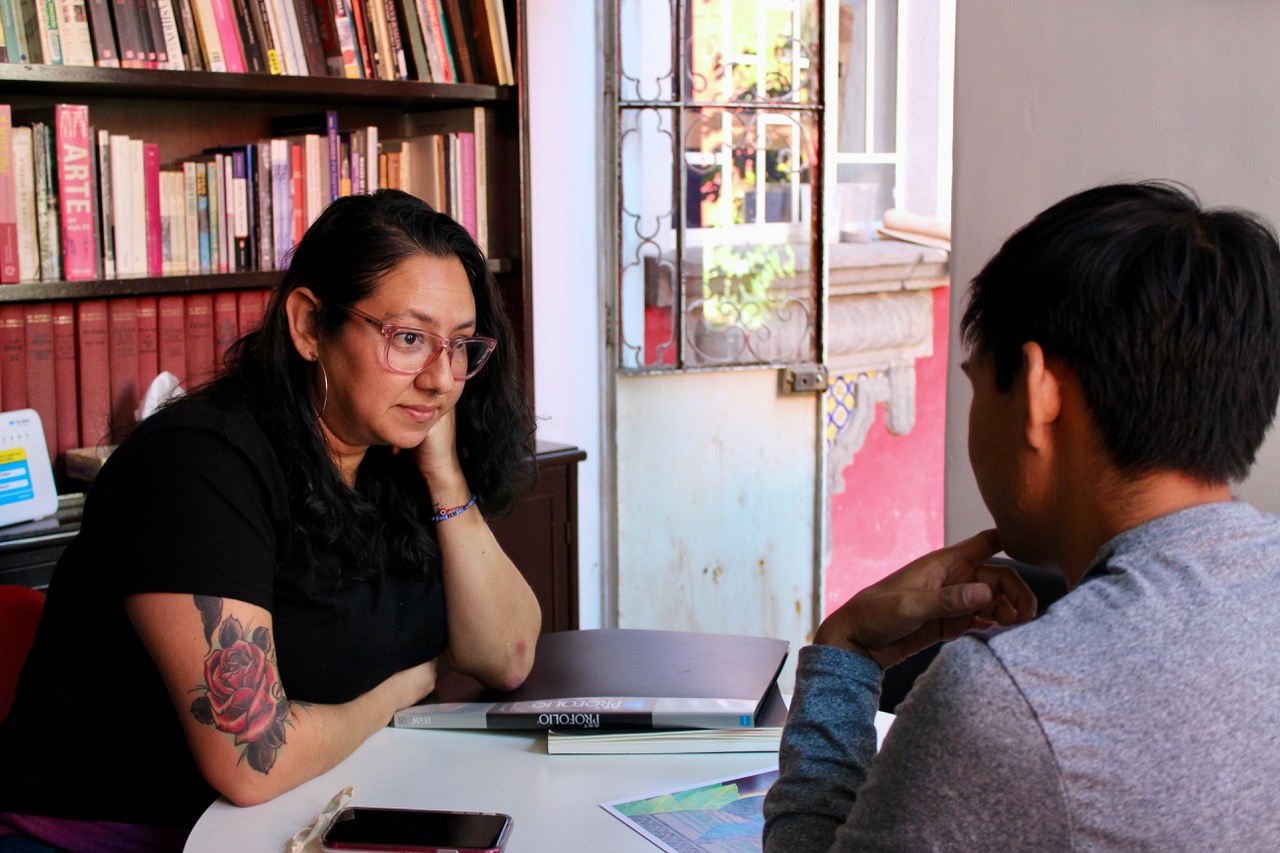
At the core of the residency is a guided mentorship process that supports each participant through individualized academic readings and critical dialogue. These readings are carefully selected in response to each artist’s questions and practice, expanding its rhythms and opening new conceptual and methodological possibilities. This sustained engagement often becomes a turning point in how participants approach their work and its broader implications.
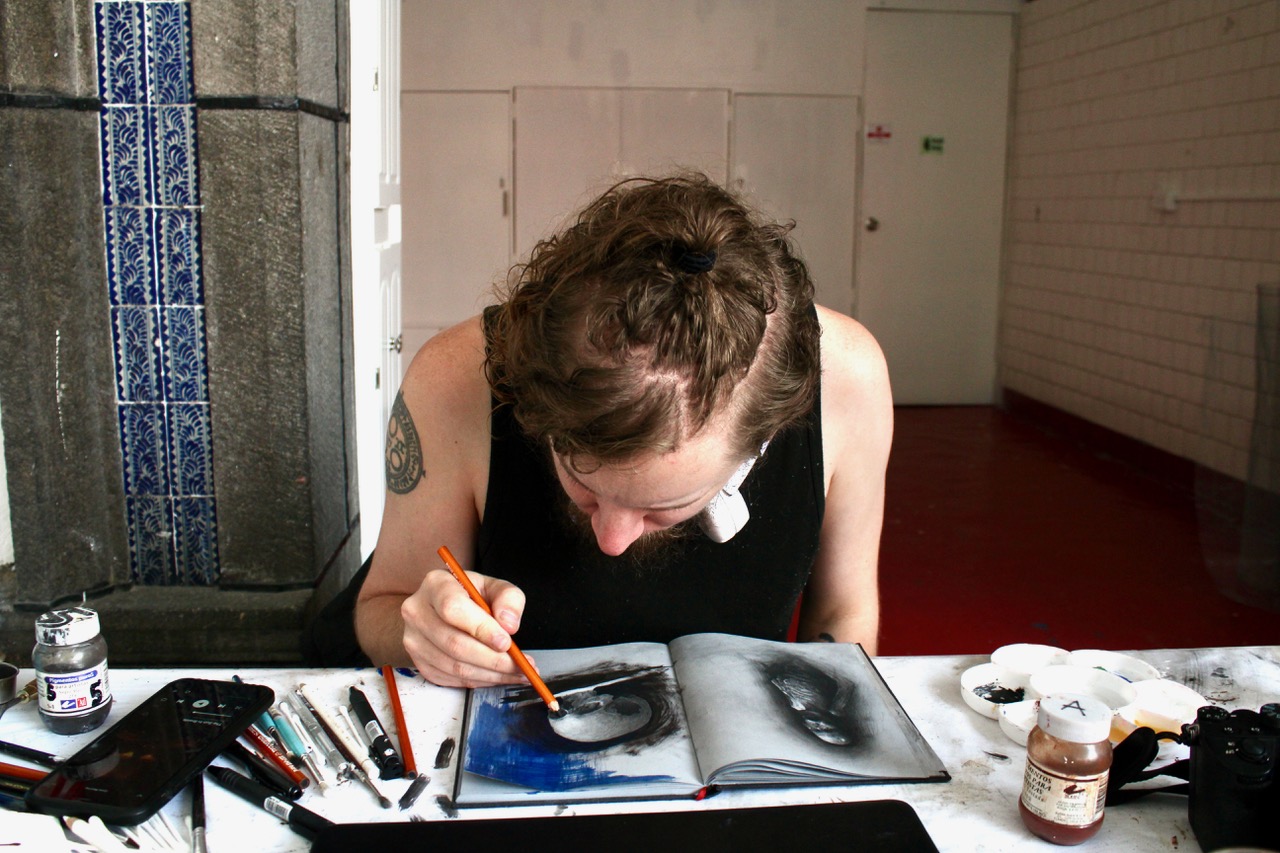
The residency unfolds through an integrated framework that combines critical research, reading, and reflection with studio time and material exploration. Participants engage with curated texts, discussions, and critical methodologies that both support and challenge their assumptions, allowing intuition and analysis to operate together. Making becomes a space of inquiry—where each artist’s questions are expanded, tested, and at times unsettled.
While the residency is highly individualized, participants share this process within a small and diverse environment that includes artists, researchers, staff, and interns from different disciplines, nationalities, and perspectives. Through academic visits, mentorship, and ongoing dialogue, each practice is situated within a broader cultural and critical context without losing its specificity.
Seventeen years after its founding, Arquetopia has become a transnational platform that operates beyond borders. Within this framework, community is not understood as engagement with “locals”—particularly in contexts such as Mexico and Peru, which have long been shaped by imperial imaginaries—but as an ongoing process of building trust, seeing and being seen, and sustaining ethical relationships grounded in responsibility.
At the core of Arquetopia’s approach is the intersection of artistic practice and social justice. Participants are encouraged to question dominant forms of knowledge—including tourism, art history, and visual culture—while critically reflecting on how these frameworks shape perception and production. Through this process, the residency becomes not only a space for artistic development, but a transformative experience that reshapes how practice is understood across time, space, and experience.
What Our Residency Programs Include
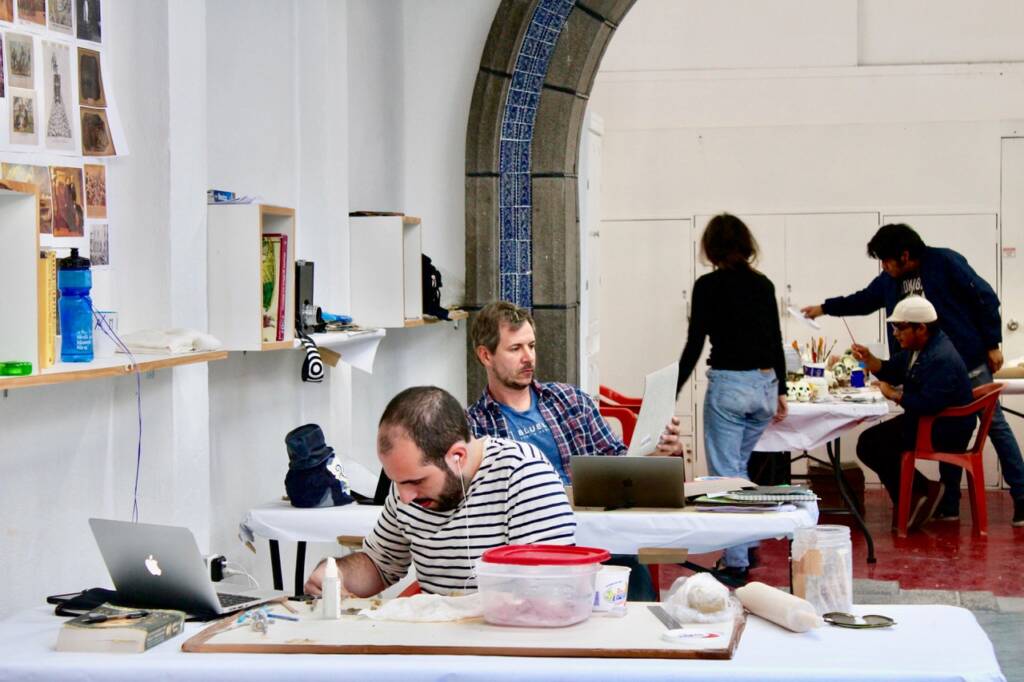
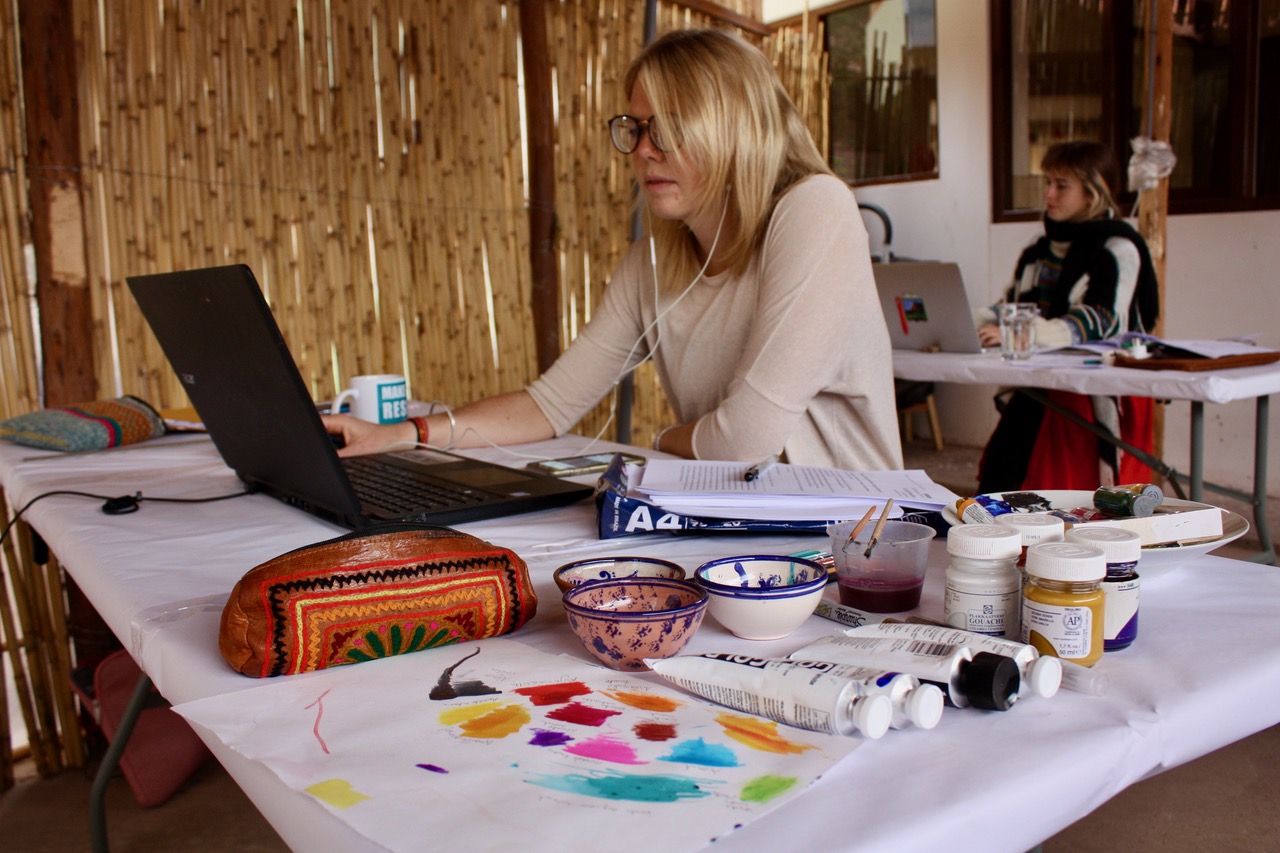
For instructional residencies, participants receive hands-on guidance from Mexican and Andean master artists. Instruction, as well as materials and supplies for these courses, are included as part of the residency. For non-instructional residencies, participants are expected to bring their own materials or source them locally.
Arquetopia provides detailed pre-arrival guidance, including travel preparation and orientation materials. At our Oaxaca and Peru locations, staff coordinate arrival and departure transportation on the scheduled start and end dates of each residency.
Arquetopia’s residencies are mentored, professional programs with academic content tailored to each artist and writer in residence. At the core of each program is individualized guidance provided by our directorial and curatorial staff, offering research support, project development, and critical feedback throughout the residency.
Residents are provided with 24-hour access to a personal studio workspace, along with wireless Internet and access to shared indoor and outdoor spaces. Accommodation includes a furnished private bedroom, shared bathrooms with modern fixtures, and full access to a communal kitchen. Utilities and housekeeping are included.
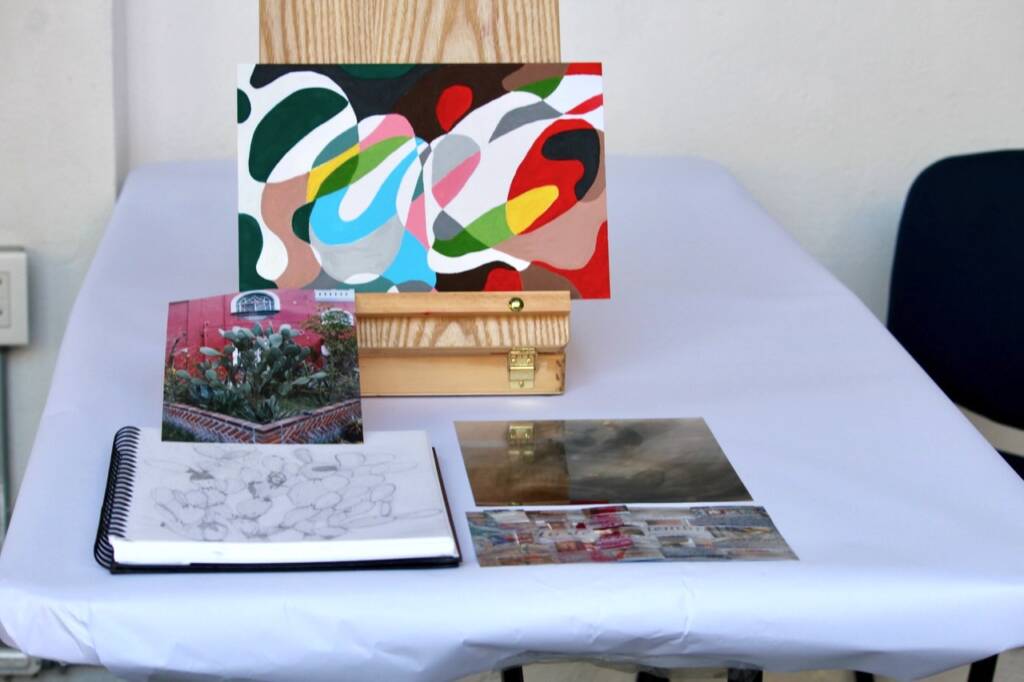
Examples of Techniques Supported by Location
Arquetopia Puebla
Located in a city shaped by colonial industry, trade, and the production of ceramics, this site engages with the historical construction of image-making and visual culture.
The Puebla site includes painting studios with proper ventilation for techniques that produce fumes, supporting a wide range of material practices. Techniques offered include drawing, painting, and organic painting; printmaking (including etching, electroetching, relief, and natural ink silkscreen); ceramics such as Talavera, majolica, and loza vidriada; gold leafing; a botany residency focused on learning plant knowledge and its applications; and projects related to Día de los Muertos. The Mentored Practice Residency supports guided, process-based studio work where participants develop their practice through critical dialogue, individualized mentorship, and sustained inquiry. Projects that require engagement with an urban environment as part of their process or research will find Puebla particularly suitable.
Due to its designation as a World Heritage site and the regulations that govern these contexts, practices such as murals and site-specific interventions in public space are not permitted; however, public art projects can be fully developed at the level of research, design, and conceptualization within the studio.
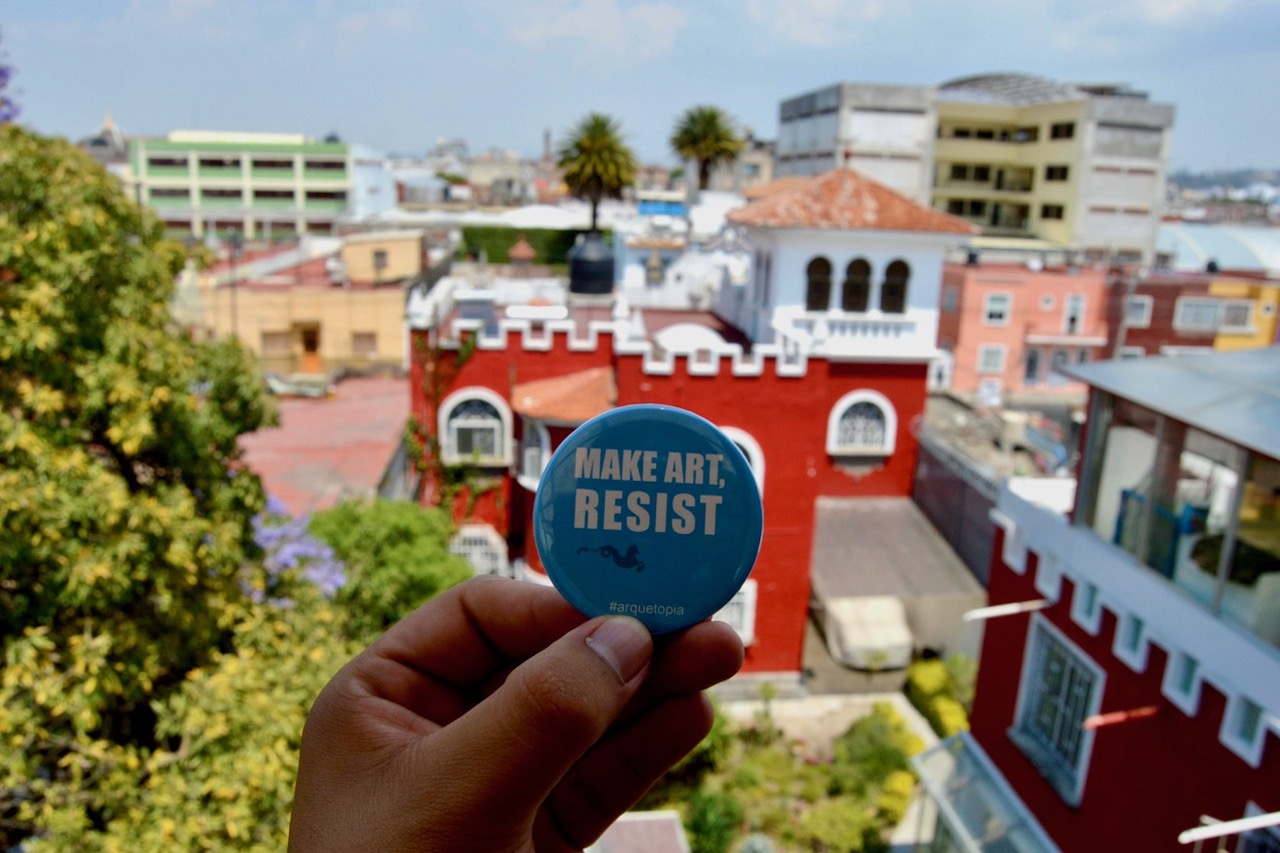
Arquetopia Oaxaca
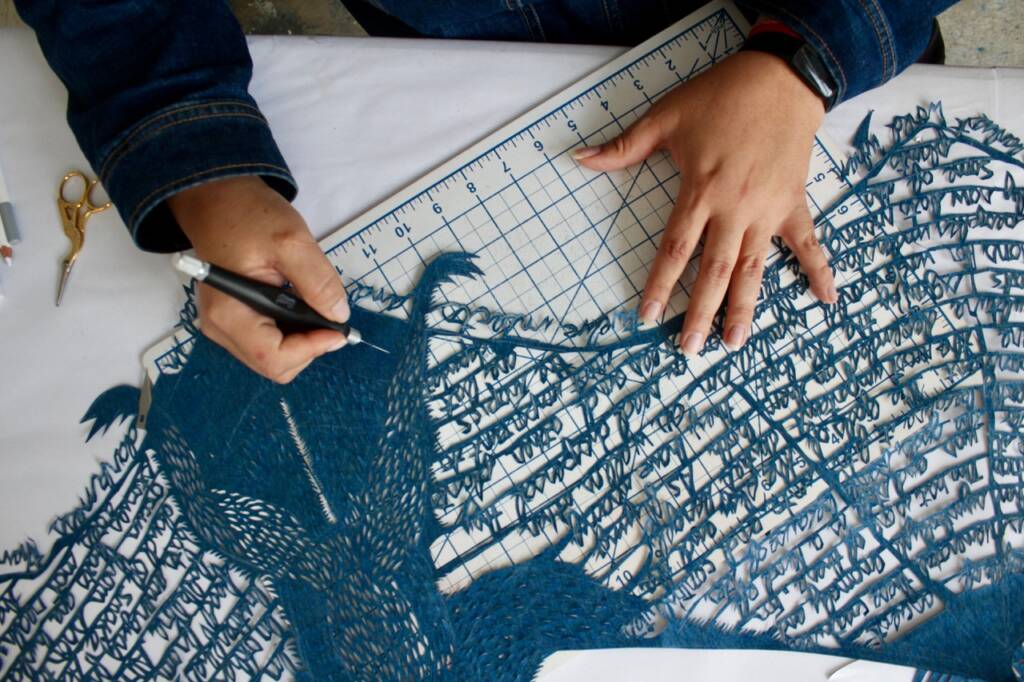
Situated within a region deeply connected to Indigenous knowledge systems and living craft traditions, this site focuses on fiber-based practices, natural color, writing, and design. Oaxaca has become an international reference point and a mecca for designers, particularly those interested in textiles, material processes, and the relationship between design, craft, and cultural context. Techniques supported include Mexican textiles (weaving, embroidery, and tapestry); natural pigments and dyes; and material practices grounded in fiber and color, as well as projects connected to Día de los Muertos.
The Mentored Practice Residency in Oaxaca has also become a central space for writers within Arquetopia, offering a focused environment for critical reading, writing, and reflection. Through guided mentorship, individualized readings, and sustained dialogue, writers, designers, and researchers develop their work in close relation to context, material culture, and lived experience.
Due to World Heritage site regulations, public interventions such as murals and site-specific projects are not permitted; instead, such work can be developed conceptually within the studio.
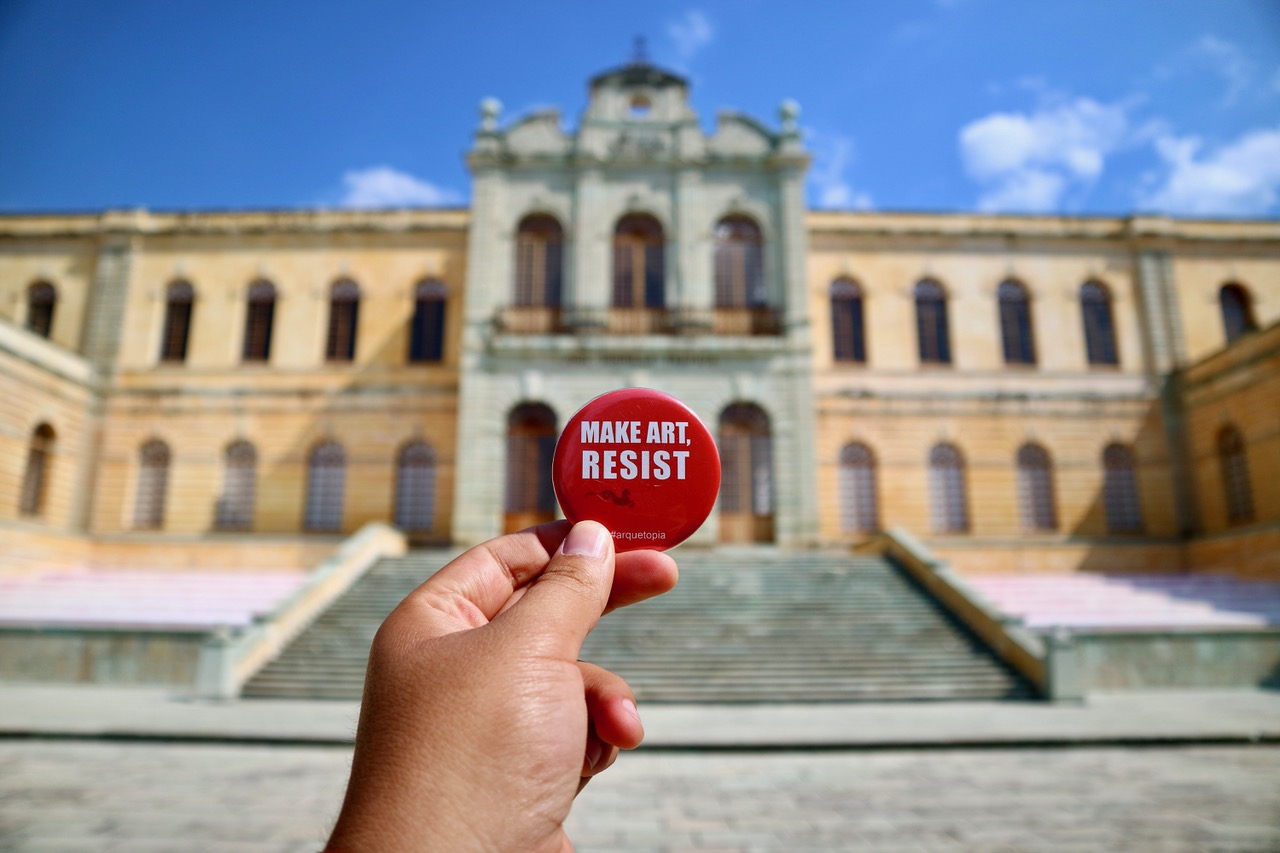
Arquetopia Peru
Based in the Sacred Valley of the Andes, this site focuses on fiber practices—particularly wool and weaving—alongside natural dyes and material processes rooted in Andean knowledge systems. Techniques supported include Peruvian textiles (weaving); natural dyes; gold leafing; and pre-Columbian ceramics, which are offered exclusively at this location. The residency also supports writers and research-based practices, as well as projects that engage directly with landscape and territory.
The Mentored Practice Residency in Peru emphasizes work that engages with landscape, material traditions, and Andean knowledge systems, supporting participants through guided mentorship, critical dialogue, and sustained, process-based inquiry.
Due to World Heritage site regulations, public interventions such as murals and site-specific projects are not permitted; however, these can be developed at the level of research and conceptualization within the residency.
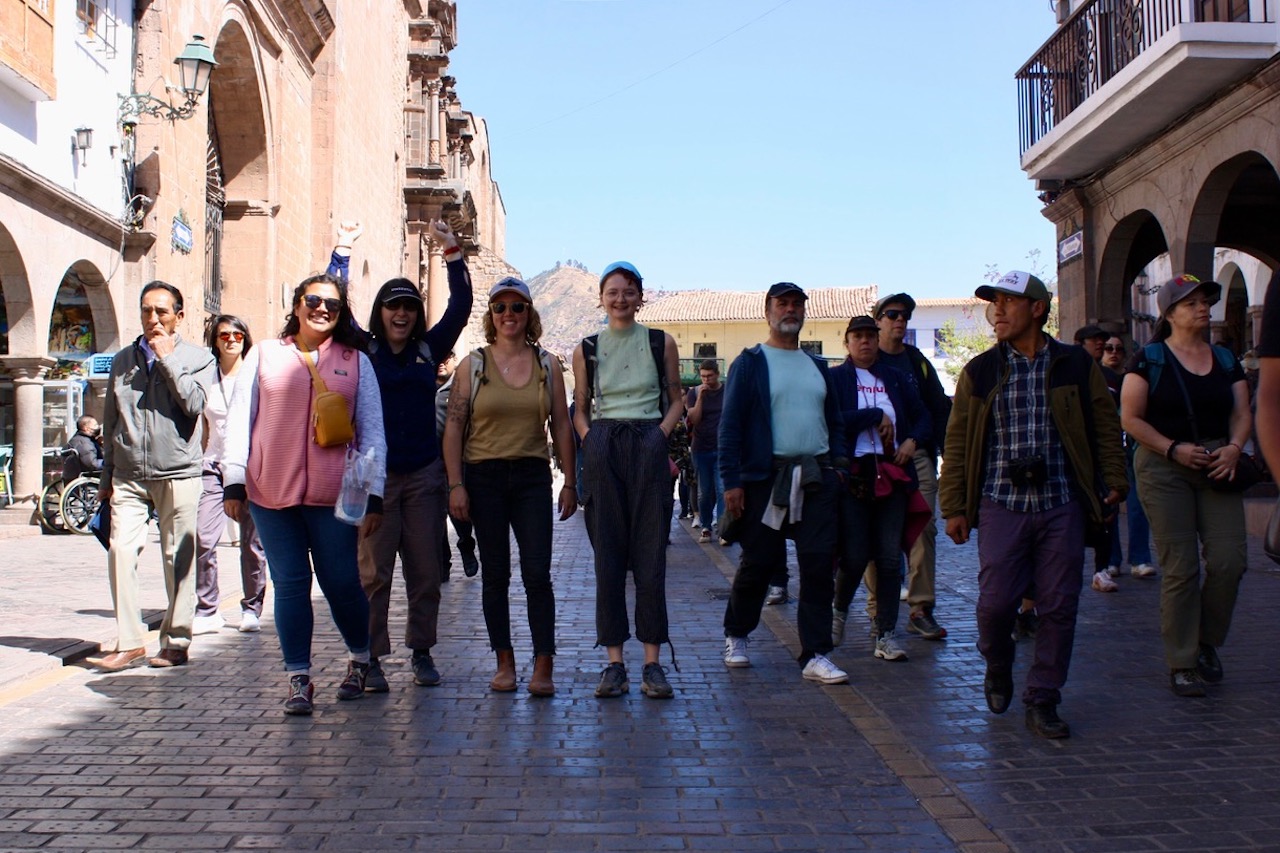
Our Three Residency Spaces & Locations
1. Puebla, Mexico
Located in the historic center, this site offers a dense urban context shaped by colonial history, industry, and academic institutions. It provides a framework for critical inquiry into material culture, historiography, and the intersections of art, knowledge, and power.
2. Oaxaca, Mexico
Situated in a rural environment, this space engages with Indigenous knowledge systems, craft traditions, and land-based practices. It supports research into material processes, community, and the relationship between art, territory, and sustainability.
3. Cusco, Peru
Based in the Sacred Valley of the Andes, this site offers a context deeply informed by pre-Columbian histories and ongoing colonial legacies. It allows participants to explore questions of extraction, landscape, and cultural continuity within a complex historical and geographic framework.
Residency Guidelines
• Selection is based on the applicant’s capacity for learning and openness to new ideas, methods, and ways of thinking. Artists, scholars, and writers at all stages of their careers are encouraged to apply, especially those interested in expanding their practice through dialogue, critical inquiry, and sustained engagement.
• Arquetopia fosters a diverse and international environment, bringing together participants from a wide range of disciplines, backgrounds, and perspectives.
• Our residencies are competitive, process-oriented opportunities designed to support independent work without the pressures of production, particularly projects that may be difficult to pursue within other contexts.
• While each residency is highly individualized, participants are expected to engage respectfully with staff and fellow residents, contributing to a shared environment grounded in dialogue, reciprocity, and critical exchange.
Funding & Residency Program Tuition
Arquetopia is a self-sustaining nonprofit organization operating artist-run spaces in Mexico and Peru, and does not receive external funding from public, governmental, corporate, or private sources. As with the majority of residency programs worldwide, participants cover the cost of their residency and travel, either independently or through third-party support.
For detailed information regarding program tuition and available tuition reduction options, please contact us at info@arquetopia.org.
Many residents secure funding through grants from local arts organizations, cultural institutions, and government programs. Others successfully raise support through crowdfunding platforms such as GoFundMe, Pozible, Kickstarter, and Indiegogo.